Why Marble Has A Dusty Powder On The Surface

Calacata Oro Honed Marble Slab White Marble

Pin On Painting Technique

Israeli Designer Meir Guri Has Used Dusty Pink And Multicoloured Marble Tiles To Ensure This Restaurant Sta In 2020 Restaurant Interior Interior Modern Interior Design

Picks Of The Week Visi In 2020 Marble Floor Pattern Floor Patterns Contemporary Artwork

Inspiration Gallery Cambria Quartz Stone Surfaces Cambria Quartz Cambria Blue Countertops

Pin On Surfaces Finishes
Continue to buff the marble until the sealer is completely soaked into the stone and the marble feels dry.
Why marble has a dusty powder on the surface. In cold weather concrete sets slowly. Dusty concrete surfaces are not only a construction problem it is also dangerous to have around the home or on the construction site. Powder itself creates very reflective finish just like polished marble tiles. Type s and portland cement.
What causes a dusting concrete surface. Bleed water carries cement and finer particles to form a layer of laitance on the slab surface. Run the cloth over the surface making a circular motion in the spots that need a little extra pressure. Marble is commonly used for sculpture and as a building material.
The mixing methods however are the same. Marble is a metamorphic rock composed of recrystallized carbonate minerals most commonly calcite or dolomite marble is typically not foliated although there are exceptions in geology the term marble refers to metamorphosed limestone but its use in stonemasonry more broadly encompasses unmetamorphosed limestone. White marble dust is one of the most popular colors according to pools of perfection. Wipe marble with a damp cloth.
Dusting surfaces powder under any kind of traffic and can be easily scratched with a nail or even by sweeping. To prevent excessive wear it is important to keep the floor dust mopped place walk off mats at all entrances. Dusting concrete can be caused by a number of things. Use a soft cloth and a little warm water to clean dust and small spills from your marble countertop and floors.
Marble dust can be mixed with various types of cement to form precast marble molded concrete. Dusting chalky or powder concrete slabs or floors are a problem in many respects. Marble dust is a primary ingredient in acrylic gesso a surface primer for canvases and other surfaces intended for painting. There are two types of cement that can be mixed with marble that will form a product that is hard and resilient.
The dust is also used to make plasters such as marmorino and venetian plaster as a filler in paint or in frescoes to replace sand. You can also achieve smooth and silky surface by using this powder. Most of the times one application is enough for the desired shiny look unless you have a highly damaged marble surface. Applying the marble dust yourself is possible if you rent the correct tools and work quickly.
Don t scrub as this could scratch the marble. If the surface has a tacky or sticky feel continue to buff until the marble is smooth. It reflects the blue sky during the day and results in a sparkling and inviting pool area. To repair a worn stone surface it will be necessary to have a professional hone and polish it 2.
Use protective gloves while applying this powder and do not inhale. The marble dust is also known as plaster or marcite.

Novamarmol Powder Is A Ready To Use Powder For Polishing And Restoration Marble Floor Surfaces Simply Mix In 2020 Polish Floor Marble Surface Floor Cleaner
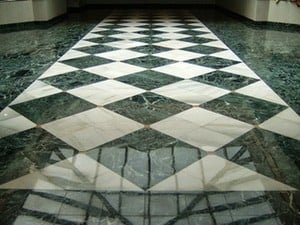
5 Things To Know When Cleaning Marble Floors Jani King

Athena Labyrinth Polished Marble Mosaic Marble Mosaic Floor Decor Mosaic

Marble Lab Calacatta Elite Porcelain Tile Marble Granite Outdoor Porcelain Tile

Razzle Dazzle Your Space With Modern Glasstile Designs In Dusty Hues And Metallic Gloss Astoriaseries Highb Handcrafted Tile Luxury Tile Tile Stores

Compac S Ice White Quartz Design Is Elegant And Sophisticated It Suits Perfectly In Clear Spaces Giv Engineered Quartz White Quartz Kitchen Design Countertops

Marble Flooring How To Clean Yellowed Marble Countertops Or Floors

Oceanside Glasstile Attention Mandala Tile Has Moved Herringbone Tile Pattern Beautiful Tile Blue Powder Rooms

Carrara White Marble Honed Quarter Round Trim Molding White Marble Carrara Bianco Carrara

Calacatta Borghini Quartz Spz1003 123x60 Calacatta Kitchen Remodel Kitchen Countertops

Colours Brown Granite Stone Texture Stone

Genesi 26 Ceramic Tile Ceramic Tiles Marble Granite Tiles

Stone Surfaces Remnants For Home Improvement Projects In 2020 Stone Surface Merrimack Recycled Glass

